‏إظهار الرسائل ذات التسميات journalism. إظهار كافة الرسائل

الثلاثاء، 11 مايو 2021

أفرجت سلطات اليمن الجنوبي عن الصحفي المحتجز لمدة 6 أشهر


 شهيد احمد و رويدة عبد العزيز

 التاريخ: 15 مارس 2021

أفرجت السلطات في جنوب اليمن يوم الأحد عن صحفي بارز كان اعتقاله لمدة ستة أشهر وسوء معاملته قد تورط بشكل مباشر الولايات المتحدة وشريكتها المقربة ، الإمارات العربية المتحدة.
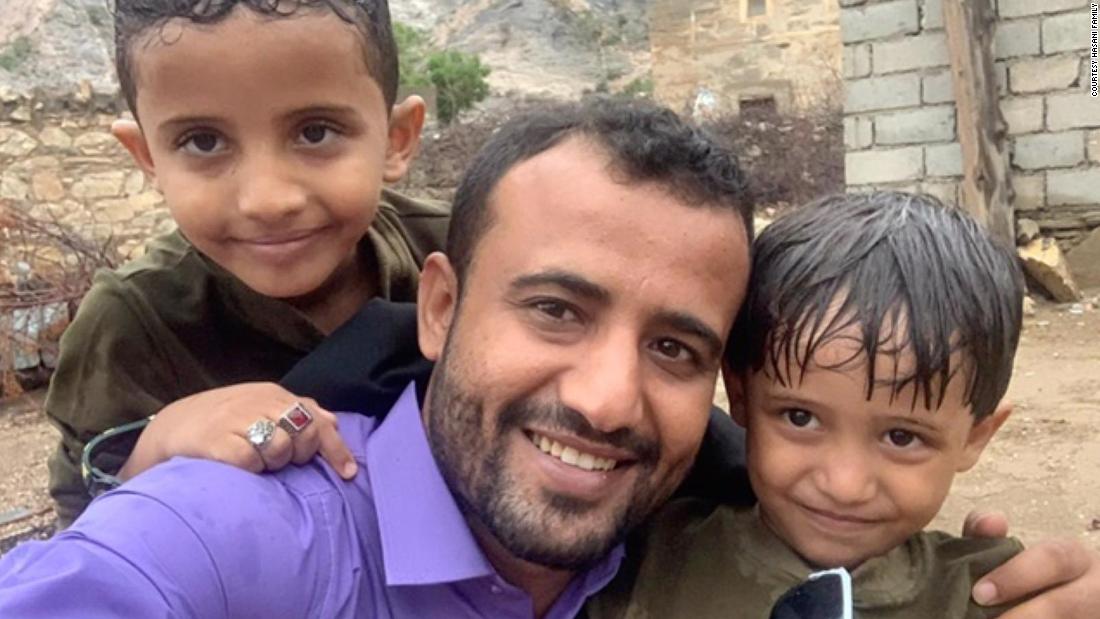

Photo source from Twitter

في سبتمبر الماضي ، اعتقل مسؤولون محليون عادل الحسني ، مراسل عدن الذي ساعد في الفوز بجوائز دولية لتغطية الأزمة في اليمن في منافذ مثل PBS و CNN. عذبوه خلف القضبان وأبقوه منفصلاً عن أسرته ، بما في ذلك رضيعة ، مع تقديم تفسيرات متغيرة باستمرار عن سبب استهدافه.


قال الحسني إنه "ممتن" للأصدقاء الذين سلطوا الضوء على قضيته في جميع أنحاء العالم.


وقالت محاميته ليزا مانع سعيد "بعد العديد من العقبات والصعوبات تمكنا أخيرًا من الإفراج عن عادل الحسني". "إنه الآن مع أفراد أسرته وهو الآن بأمان والحمد لله. نشكر كل من دعم عادل وساعد في تأمين حريته".


حث النائب رو خانا (ديمقراطي من كاليفورنيا) - منتقد التدخل الأمريكي في اليمن - الرئيس جو بايدن والإمارات على الضغط من أجل إطلاق سراحه.


قال مسؤول أمريكي لشبكة CNN إن إدارة بايدن تدخلت بشكل خاص لصالح الحسني.


في عام 2015 ، انضمت الإمارات إلى حملة عسكرية في اليمن وضعت شركاء الولايات المتحدة في مواجهة الحوثيين. عندما رأت الإمارات فرصة لتنمية نفوذها ، قامت بتدريب وتسليح وتمويل المجلس الانتقالي الجنوبي ، الذي استهدفت قواته الحسني. قام الإماراتيون بتزويد المجلس الانتقالي الجنوبي بأسلحة أمريكية ، مما عزز قوته.


قال مصدر مقرب من الحسني لـ هيومن رايتس ووتش إنه تعرض للمضايقة بسبب سعيه للحصول على معلومات حول دور الإمارات في اليمن.


وسط انتقادات عالمية لسلوك التحالف المدعوم من الولايات المتحدة في البلاد - بما في ذلك المئات من جرائم الحرب المزعومة - سحبت الإمارات العديد من قواتها البرية في عام 2019. لكن الإماراتيين لا يزالون منخرطين بعمق في الحرب الأهلية اليمنية ، ويواصلون دعم حليفهم. . . تنتهج المملكة العربية السعودية سياسات مثل الحصار البحري الذي دفع ملايين اليمنيين إلى ظروف تشبه المجاعة.


لا يزال الجانبان في صراع ، ولا تزال الولايات المتحدة متورطة لأن بايدن تعهد بالمساعدة في الدفاع عن المملكة العربية السعودية من الهجمات الصاروخية الحوثية. يواصل الحوثيون هجومهم على منطقة مأرب الاستراتيجية ، وهو هجوم يهدد آلاف الأشخاص في المنطقة.

يقول خبراء الأمم المتحدة وجماعات المراقبة إن جميع أطراف النزاع أساءوا معاملة الصحفيين مثل الحسني مرارًا وتكرارًا.


وردا على الإفراج عن الحسني على تويتر وصفه أسامة الفقيه من منظمة مواطنة لحقوق الإنسان بأنه "نبأ عظيم" وحث الحوثيين على الإفراج عن المراسلين في سجونهم.

الأربعاء، 17 فبراير 2021

إذا تم إطلاق سراح الصحفي اليمني المعتقل ، يوافق عضو الكونغرس على إجراء محادثة مع سفير الإمارات العربية المتحدة

 يوافق عضو الكونغرس رو خانا على إجراء محادثة علنية مع سفير الإمارات في حال إطلاق سراح الصحفي اليمني

المؤلف: ريان جريم

16 فبراير 2021


في محاولة للمصالحة ، دعا سفير الإمارات العربية المتحدة يوسف العتيبة النائب رو خانا ، المعارض الرئيسي للحرب في اليمن في مجلس النواب ، إلى البودكاست الرسمي للسفير. تأتي الدعوة بعد خلاف عام حول ما إذا كان العتيبة قد رفع صوته في خانا خلال اجتماع حول معارضة خانا للصراع.


النائب رو خانا في تجمع حاشد لسحب الولايات المتحدة الدعم للسعودية في الحرب الأهلية اليمنية ، 19 مارس 2018 ، واشنطن العاصمة. (Paul Morigi / Avaaz / AP)
كتب عتيبة إلى خانا: "على مدار ثلاثة عشر عامًا في واشنطن ، وحتى في الخدمة العامة لفترة أطول ، أثرت العديد من القضايا مع العديد من الأشخاص - لكنني لم أرفع صوتي مرة واحدة". "توضيح وجهة نظري بشكل مباشر وهادئ هو أكثر أسلوبي. وهذه هي الطريقة التي أتذكر بها كل اجتماعاتنا. دعنا نثبت النقطة التي مفادها أن اثنين من المدافعين المتحمسين يمكن أن يجروا مناقشة أخرى مباشرة وهادئة حول قضايا خطيرة ".

استجابت خانا لدعوة عتيبة العامة بشرط مسبق. إذا استخدم السفير نفوذه لإطلاق سراح صحفي يمني بارز تحتجزه القوات المتحالفة مع الإمارات العربية المتحدة ، فإن عضو الكونجرس عن كاليفورنيا خانا سيظهر في برنامجه. كتب خانا ، في إشارة إلى عادل الحسني ، الذي نقلت هاف بوست الأسبوع الماضي عن اعتقاله: "في الوقت الحالي ، لن يكون من المناسب لي الظهور في البودكاست الخاص بك بينما يتم اعتقال صحفي معروف بدعم من حكومتك". . وقال محامي الحسني إن القوات المدعومة إماراتياً عذبت الصحفي أثناء احتجازه.


كتب خانا: "الإفراج عن الحسني [من شأنه] أن يسلط الضوء على الدور المحوري الذي يمكن أن تلعبه الإمارات العربية المتحدة في بناء الجسور بين الجماعات المتباينة في الشرق الأوسط والولايات المتحدة ، وكيف يمكن لكل من بلدينا المساعدة في إنهاء الحرب في اليمن" .

وقال خانا لصحيفة "إنترسبت" إنه خلال اجتماع حول جهود إنهاء الحرب في اليمن ، انتاب العتيبة هياج.

قال خانا: "لم يسبق لي أن كان لدي سفير لدولة أخرى يأتي إلى مكتبي ويصرخ في وجهي حرفيًا ، لكن هذا ما كان لدي مع السفير في الإمارات".

قال خانا: "لقد أُخذت للتو". "لقد قادني إلى الاعتقاد بأن هناك غطرسة حقيقية ، شعور حقيقي بالاستحقاق ، شعور بأنه يعتقد أنه قوي للغاية بحيث يمكنه التصرف بهذه الطريقة. وأنا لم أر ذلك حقًا من قبل. "

كأول إعلان له في السياسة الخارجية ، أعلن الرئيس جو بايدن إنهاء دعم الولايات المتحدة للحرب ، لكنه حدد أنه سيتوقف عن دعم "العمليات الهجومية" التي تقودها السعودية. قال خانا إنه لم يعيد تقديم قراره المتعلق بسلطات الحرب حتى الآن ، مما يمنح إدارة بايدن والقوى الإقليمية فرصة لإثبات أنها تنهي الصراع بالفعل.

الإمارات العربية المتحدة والمملكة العربية السعودية في حالة حرب مع قوات الحوثي في اليمن منذ عام 2015. في ذلك العام ، قُتل 45 جنديًا إماراتيًا في هجوم صاروخي على قاعدة إماراتية ، وهي ضربة مدمرة لدولة غير معتادة على موت مواطنيها. في النزاعات الدولية. أعلنت الأمة الحداد ثلاثة أيام. في عام 2019 ، أعلنت الإمارات أنها ستخرج معظم قواتها من الصراع ، لكنها واصلت المساعدة في تمويل الحرب.

الأحد، 28 أكتوبر 2018

How to Love an Arab in 2018

"Here is the medicine: That though the heart is breaking, happiness can exist in a moment, also."
- Alice Walker, in the Foreword to Zora Neale Hurston’s Baracoon

Before Jamal Khashoggi's death, before Saudi's involvement with Lebanon's politics and Nasrallah's threat of retaliation, before the surge of #MeToo news alerts, I was in love with an Arab student from Jizan. It happened during one of my first weeks in New England. I already felt like I didn't belong here. His attention and love was one comforting aspect of my otherwise dreary life. We had a brief moment of political solidarity when we drove to his apartment one night. He said that Saudi students rarely used their opportunity in the US to make money on the side, even though there are plenty of other students on F1 visas who work within the gray area. He said that this was also common among Chinese students he knew, and he surmised that it was probably because both governments were very strict and created law-abiding cultures in China and Saudi Arabia. I was envigorated by this observation of love and appreciated this rather somber connection with him.

Soon our differences emerged, particularly on the question of Saudi's involvement with Lebanon's politics, Saudi's disproportionate war with Yemen, as well as our interpretations of Islamic culture. I wrote about this in another earlier post titled Solidarity, Dissimulation, and Making Space. He did not wish to continue to talk with me after a fallout in regards to our differences. Sometimes I would still check his social media. He was home for the summer and once visited the tomb of one former caliph in the desert. It was quite an interesting homecoming for a diasporic Muslim whose identity shifted through time and space.

In wake of Khashoggi's death, I am sure he and I would have differences in our political analysis of the events. But making sense of events "abroad" and away from "home" is always a complicated affair. Especially when the English news media often promotes certain kinds of narratives over others. I was especially moved by the detail that Khashoggi was living in Turkey, which is often viewed by minorities in certain parts of the Arab world as a relatively neutral ground vis-a-vis the "West." Given the Turkish state's incompetency in stopping the Saudi bodyguard from moving Khashoggi's body onto a private plane in Istanbul, the tragedy made me think more about my understandings of Turkey, much more so than Saudi Arabia. I am affected by this tragedy in the way that I also believe in similar values as Jamal Khashoggi and I too wish a better future for Saudi Arabi and the Gulf. While I never knew about his work prior to his gruesome death, I am further connected on a second level to this story--I started as a journalist from the non-West, and often have to struggle against totalizing narratives of the lack of free speech in China. The more I reflect on the matters of the world, the more complex "free speech" becomes. Yet those who do not recognize the complexity often reduce the subjectivities of non-Westerners to either a pro-liberal or anti-liberal. I recognize the humanity of Saudis as well as anyone residing in the Gulf. They inhabit a fertile ground for creativity, and will continue to connect with one another and re-imagine a future beyond what the powerful have dictated for them. I believe in them as I believe in my own potential.

Here are some insighful thoughts on the Khashoggi tragedy I read from Twitter--


My thoughts are with the millions of young Saudis for whom Jamal Khashoggi wished a better future and who may be wondering what lies in store for their country, my thoughts are with the millions of Iranians, Syrians, Egyptians... all the people of this region. We deserve better.

The Khashgoggi story has a human element that is disturbing and macabre. However it points and illustrates a wider point about Saudi society and culture. I've lived in the Kingdom for many years - not that makes me an authority by any stretch of the imagination》》1:41 AM - 22 Oct 2018
Saudi society and culture in Riyadh is deeply toxic. Anecdotally people will say that the people of the Eastern province and Jeddah are hospitable kind and more open but Riyadh is a different story altogether. Going beyond the govt. Saudi society is hopelessly dysfunctional
More... To throw the Salafi school under the bus for the hopeless state of Saudi society is unfair. The problem is inextricably linked to wealth and the corrosive effects of it on a society that merely a few decades ago was a Bedouin backwater
Muslims in the West have known this for many years. There are bigger, wiser and better people who can point to the mortal danger the Saudis and their allies pose. Our options are simple but difficult to implement - we require financial independence and autonomy

-----------------------------------------------


Source: https://www.thevintagearab.com/post/179330775839


During this year I have also reflected on previous notions of feminine identity. I have had tense relations with many female relatives in my earlier life. I have gradually learned to stop fighting and love women in a different way. While following various people from the Gulf on social media, I realized that when men are the public faces of a community, one learns to see and feel attached to their female relatives regardless of whether or not meeting their relatives in person. Because kinship does not necessarily entail social contact. There are many ways to express and receive love beyond becoming in contact. Affection and care received by men--the public face--can be connected and transferred to the womenfolk through ways other than language or images. Even though it is assumed that everyone who can access internet would create a social media account, these gendered silences are also important for me personally as I grow into my public persona of an academic.

Being part of the diaspora in the U.S., one gains a certain distance from the usual sectarian logics. There can be space for dialogue if one can see how justice is impossible without love. While there is disproportionate amount of violence in the news, I hope for the possibility for reconciliation. Within this context, I also want to share the news with my readers that I am engaged to my future husband, Walid Anbar. We both believe in the values of interfaith dialogue, love, and understanding. Insha'allah we will be part of this ongoing process of creating such spaces in the U.S.

الجمعة، 16 مايو 2014

Understanding India's Elections

I was an avid supporter for Arvind Kejriwal for his campaign as well as the anti-corruption Aam Admi Party (AAP) these past few months. Among many liberal policies, AAP candidates have called for more lenient policies towards Kashmir and put overturning the anti-gay legislation on the party agenda. I find the leader Kejriwal to be very charismatic, savvy, inspiring, and dedicated. I knew that AAP would not win many seats, since it is still in an inchoate stage with few solid bases. Still, I was shocked by the sweeping magnitude in which the BJP's Narendra Modi won the electionsToday, I woke up to the election results in Madison, WI and posted a Facebook status about the matter.
Found out yesterday that my host here is a small business owner who voted for Scott Walker during the recall... Now the pro-business, anti-Muslim candidate Narendra Modi won in India's PM elections and I was in denial till today. Idealists have to fight on!
Nonetheless, India 2014 has seen a phenomenal exercise of democratic rights of 550 million people and there are many more details to be hashed out. AAP vote share impressed and outpaced many--"more than DMK, Shiv Sena, ADMK, NCP SAD, CPI, RJD, JDS, TRS, TDP, INLD, BJD, JDU, DMDK, LJP," tweeted @Just_Anuja.  The idealistic effect of AAP will definitely last on India's youth beyond these elections and I am sure of a Kejriwal comeback. 

Sino-India relations may deteriorate if Modi continues the hawkish foreign policy stances. But if he is true to his pro-business models, perhaps there would be an increase in bilateral trade
Judging from Modi’s governance in Gujarat, the daily said he places emphasis on infrastructure development, attracting investment and the establishment of special economic zones. “Economic development and improving people’s livelihoods are expected to be high on his agenda once he is elected prime minister. There is the possibility that he will expand Sino-India economic and trade cooperation and seek more Chinese investment,” Fu Xiaoqiang, a research fellow with the China Institutes of Contemporary International Relations, said.
Per request of a fellow writer, I compiled the news sources I have been following the past few months for the election. A post for nonfiction introductions to modern India will follow soon.


News Outlets

Blogs

Twitter accounts

السبت، 3 مايو 2014

Changing the Status Quo, One Friend at a Time

I did not have many friends who were interested in South Asian history politics as I am. I went to one talk on South Asian literature in Beijing but the people I met there were either diplomats or very new to South Asia as a topic. I did not lose heart and continued to attend talks. During Prof. Duara's talk on India and China's future roles in the Anthropocene, I tried to pictures of his Powerpoint slides but a person's head stood out in the front row, blocking some of the text. That person turned out to be Suhail, my future devil's advocate and yet another South Asia connection. 
Many of the thought-provoking questions after Duara's talk were asked by students all around the world. I decided to stick around during the tea break in hopes of making new friends. I started talking with a Pakistani, a student of the host China Agricultural University (CAU). Then a group of other foreign students joined, Suhail included. I asked him if he was Indian, he said that he was from Kashmir. I laughed and made a point about meeting Taiwanese abroad who never identified as Chinese. He is in his final year of the Development PhD at CAU and wrote about land grabs in China and Kashmir. Our conversation went smoothly, but he was eager to meet Prof. Duara. He said that Duara promised to chat with him after the talk. Suhail later explained that they both went to the radical Jawaharlal Nehru University (JNU) and strongly recommended me to exchange there in the future. Suhail led me to the coffee room where the chat took place. Prof. Duara and Suhail immediately started intelligent conversations on Indian elections, Arvind Kejriwal, and female Dalit politician Mayawati. I was intimidated, but Suhail was very considerate and brought me into the conversation. As Woody Allen once said, "Eighty percent of success is showing up." I succeeded in making new friends through showing up at the university talk and the coffee table.
Prof Prasenjit Duara, me and Suhail
After the chat, Suhail and I quickly started bonding over many topics. We went to several more talks by Duara in Beijing. We shared the skepticism of vague policy rhetoric such as "development," we both liked Gramsci, and we both questioned Weberian religious theories. He once volunteered at an AIDS organization, as I am doing now. We both found Chinese politics to be rather depressing. I confessed to him that I struggled between choosing an academic career over a journalist one. He said that I would make a fine journalist, while my temperament suits an academic one as well. He said that the world needs conscientious people like us to change the status quo. I found that very motivating. Like me, Suhail would often escape the security check before entering subways in Beijing, claiming to be a rebel in any country. Unlike me, he is more bold when doing it. He would also leverage his foreigner appearances and get away with many more tedious restrictions such as pushing a motorbike through PKU's campus or getting his way when it came to an expedited doctor's appointment.
"Suhail" is an Arabic term meaning easy-going, which is very true to his actual personality. He also received a new name in high school, ghulam nabi (servants of the Holy Prophet), from a religious elder when he was very sick and the doctors could not help. He claims to be not a very good Muslim, because he does not pray five times a day and used to drink, but he insists on fasting. It builds his character and strengthens his willpower in trying times. I also admired those who fasted across all faiths and found his story inspiring. 
Suhail sometimes would joke that he is an agent sent to China to train the military and help liberate Kashmir. I knew about the bloody Kashmir conflicts, but I had little in-depth knowledge. He recommended that I read Curfewed Night, by his friend and journalist Basharat Peer. I have been absorbed by the literary nonfiction since and offered to translate it to Chinese. While I wept and sighed through chapters, I found it intriguing that the press still moves relatively freely in Kashmir, compared to Xinjiang where drastic measures include cutting the internet.
The paragraph about trauma really spoke to me, because I had just finished watching True Detective, which was filled with traumatic events:
I spent my afternoons reading and tried to write in the evenings. But I had no distance from the experiences I was trying to process and shape in words. I sulked, turned irritable, and had pointless arguments with friends. I called Shahid, we met in our favorite cafe near the city centre. "This is common among people who come into contact with trauma victims," Shahid said and suggested I should try not to write for a few weeks. "That won't hep. I have to finally get back to writing it down." (153)
Peer's experience reminded me of the author Iris Chang who committed suicide after writing The Rape of Nanking, a book on the Nanjing Massacre. It also reminded me of therapists who had to see their own therapists after listening to patients' disturbing thoughts or worries. I wondered in the subway, how many people would bear to hear about these events. Most would probably rather talk about business and the weather.
After being exposed to traumatic events even just through text, I became irritable as well. I almost got into a fight with Suhail today over giving directions for the right cafe over the phone. I am terrible with directions but I never admit that when I am giving them. Fortunately, he was true to his easygoing name and we hugged to greet each other. Without the support of friends, intellectuals will not be strong enough to face history or fight the status quo. I am very grateful that I had the guts to stick around after the talk and met a true friend.